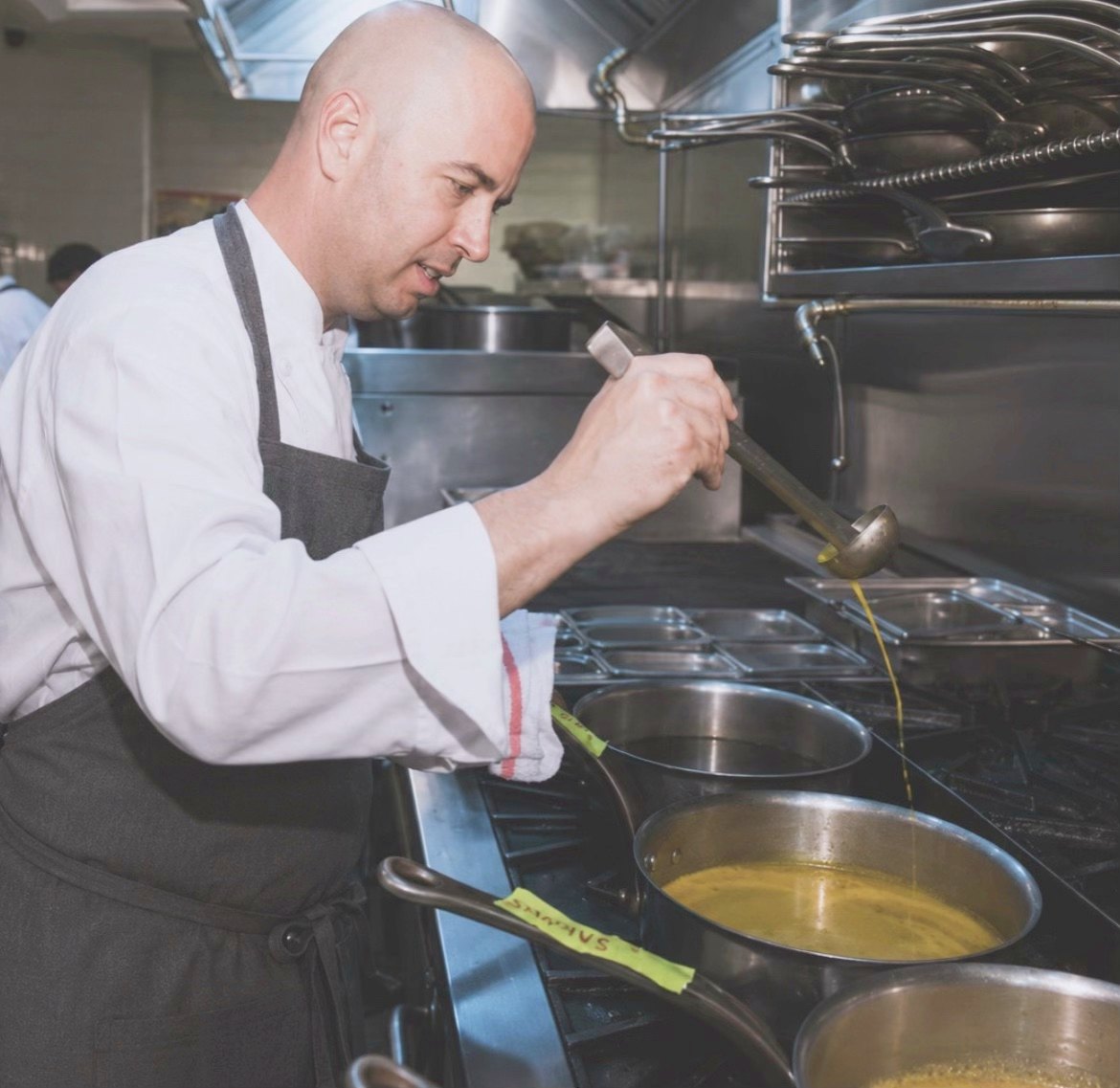
The Best Part of the Season Is the Overlap SEASON WEEKLY AUGUST 31 - SEPTEMBER 6, 2026 The 5:30 moment, handled. There's a point every year when the farmers market stops looking like one season and starts looking like two. Right now in California, that's exactly where we are. We still have tomatoes, corn, peppers and basil that taste like summer. But apples are already showing up. Squash is starting to appear. The market is telling us fall is coming before the calendar really has. And I love this part. California doesn't always give us four clean seasons. Sometimes it feels more like six. One season starts before the other one has finished. I remember growing heirloom tomatoes at The RANCH and having years when some of the best tomatoes we picked came in October. For a lot of the country that probably sounds crazy, but our warm days and cooler nights let summer hang around while fall starts moving in. That overlap is where some really interesting cooking happens. You can have corn, squash and apples on the same plate. You can still make pesto from beautiful basil while putting a pot of minestrone on the stove. You can serve salmon over corn and tomatoes one night and pork with apples the next. This week's SEASON plan is exactly that: summer's last week with fall arriving early. 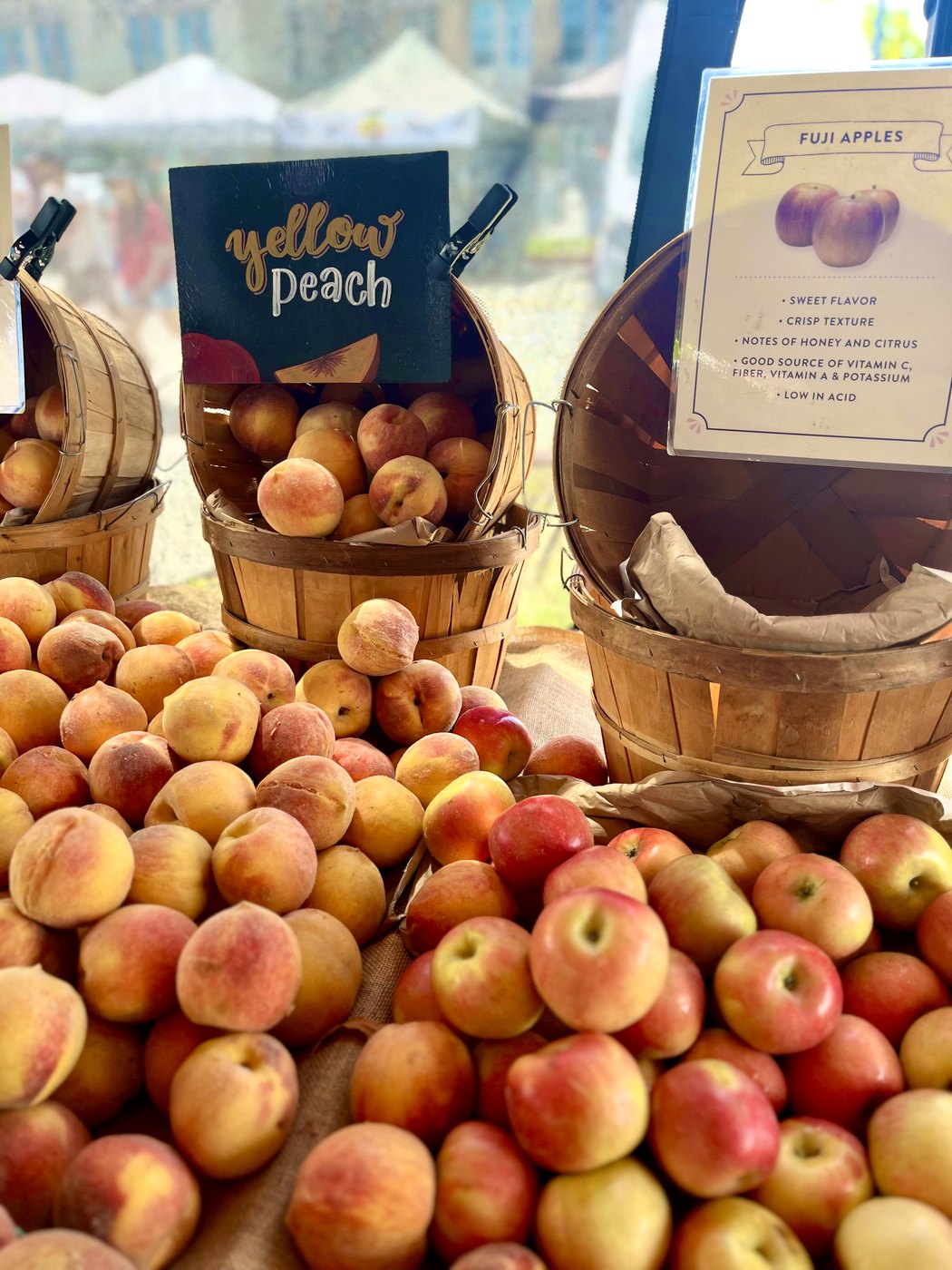 Late summer and early fall sharing the same market table. Don't Cook the Calendar. Cook What's Good. Cooking seasonally doesn't mean somebody flipped the calendar to September, so suddenly the tomatoes disappear and everything becomes pumpkin. It means paying attention. When I walk through a market, I'm looking at what's actually beautiful right now. Then my mind starts connecting ingredients. If I see corn, squash and apples together, I'm already thinking about what I can build around them. Maybe it's salmon with a light cider broth. Maybe it's a beautiful pork chop. Maybe it's roasted squash with apples, corn and sage. I'm thinking about flavor, but also color, texture, temperature and contrast. Something sweet. Something acidic. Something savory. Something rich. Maybe something fresh to wake everything up. Herbs like sage and rosemary become bridges between late summer and fall. That's how a group of ingredients starts becoming a dish. One of my favorite food books of all time is The Flavor Bible. It isn't really a cookbook. It's a book about ingredients and the other ingredients that naturally work with them. I've always loved that way of thinking. What recipe can I find? What belongs together? That's a very different way to cook. 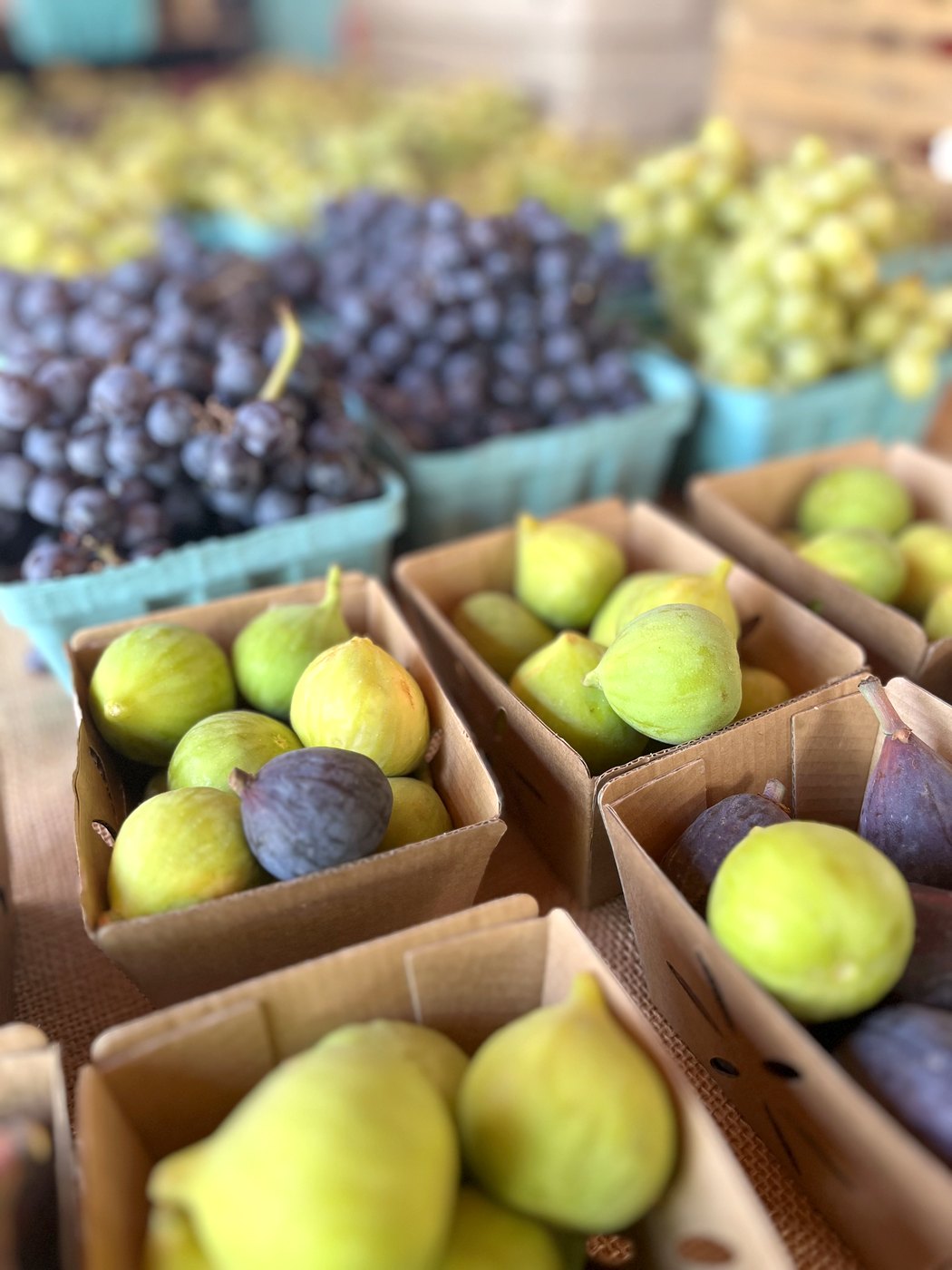 Figs and grapes at the market. The calendar matters less than what actually tastes good right now. Seasonal Ingredients Don't Make a Dish. Balance Does. Great ingredients give you a head start. They don't finish the job. As chefs, one of the most important things we teach cooks is to taste. Not just once at the end. Taste while you cook. Taste together. Talk about what you're tasting. Does it fall flat? Does the flavor carry through the bite? Can you taste the ingredients? Does the salt make everything come alive? Would a squeeze of lemon or a little vinegar brighten it? Does it need more depth? More richness? More contrast? When you're working in a busy restaurant, this becomes even more important because consistency matters. One cook may be on the station tonight and someone completely different tomorrow. The guest shouldn't know the difference. The dish should taste the same. That only happens when everybody learns what "right" tastes like. Build Flavor Before You Try to Fix It Take something as simple as butternut squash soup. If I'm making a creamy version, I might begin with butter. Then whole garlic cloves, cooked gently until they get what I call a little California tan, golden, but not dark or bitter. Then mirepoix, cooked slowly. The squash goes in. Then white wine. Stock. Cream. Maybe sage, thyme or bay leaf. Then we cook it, puree it and strain it until it is silky. None of those steps is there just because a recipe says so. Every one creates another layer. The butter brings richness. The garlic builds the foundation. The vegetables give sweetness and depth. The wine introduces acidity. The stock brings savoriness. The cream gives body. The herbs bring aroma. By the time you taste the soup at the end, you shouldn't be trying to manufacture flavor. You've been building it the entire time. That's one of the biggest differences between food that's just okay and food you remember. 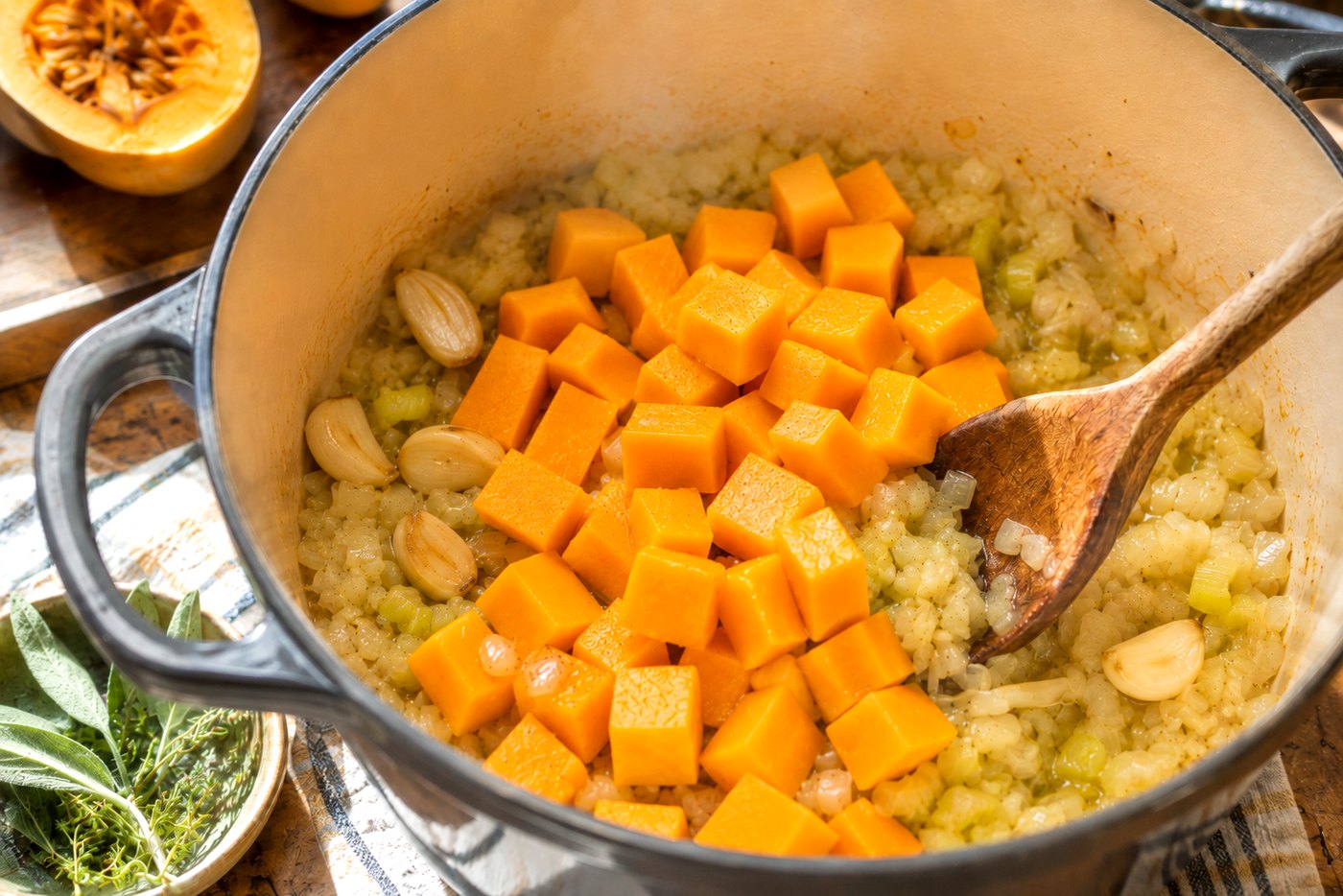 Flavor is built in layers, starting before the soup ever reaches the blender. The Three-Bowler Years ago at Napa Rose, we had a regular named Mr. Maples. He came in constantly. Friday nights were almost a ritual. He would sit at the chef's counter overlooking the open kitchen. He saw everything. The cooks moving. The communication. The rhythm of the line. The moment when a busy service starts clicking and everybody knows exactly where they need to be. And somewhere along the way, we developed a way of talking about soup. There were one-bowlers, two-bowlers and three-bowlers. A one-bowler could be a perfectly good soup. But a three-bowler? That was different. That was the soup where the salt was right, the acidity was right, the texture was right, every layer carried through and you finished the bowl thinking: I want another one. And then maybe another. That's still one of the best ways I know to describe great food. Because ultimately, the highest compliment isn't: That was technically perfect. It's: Can you make that again? 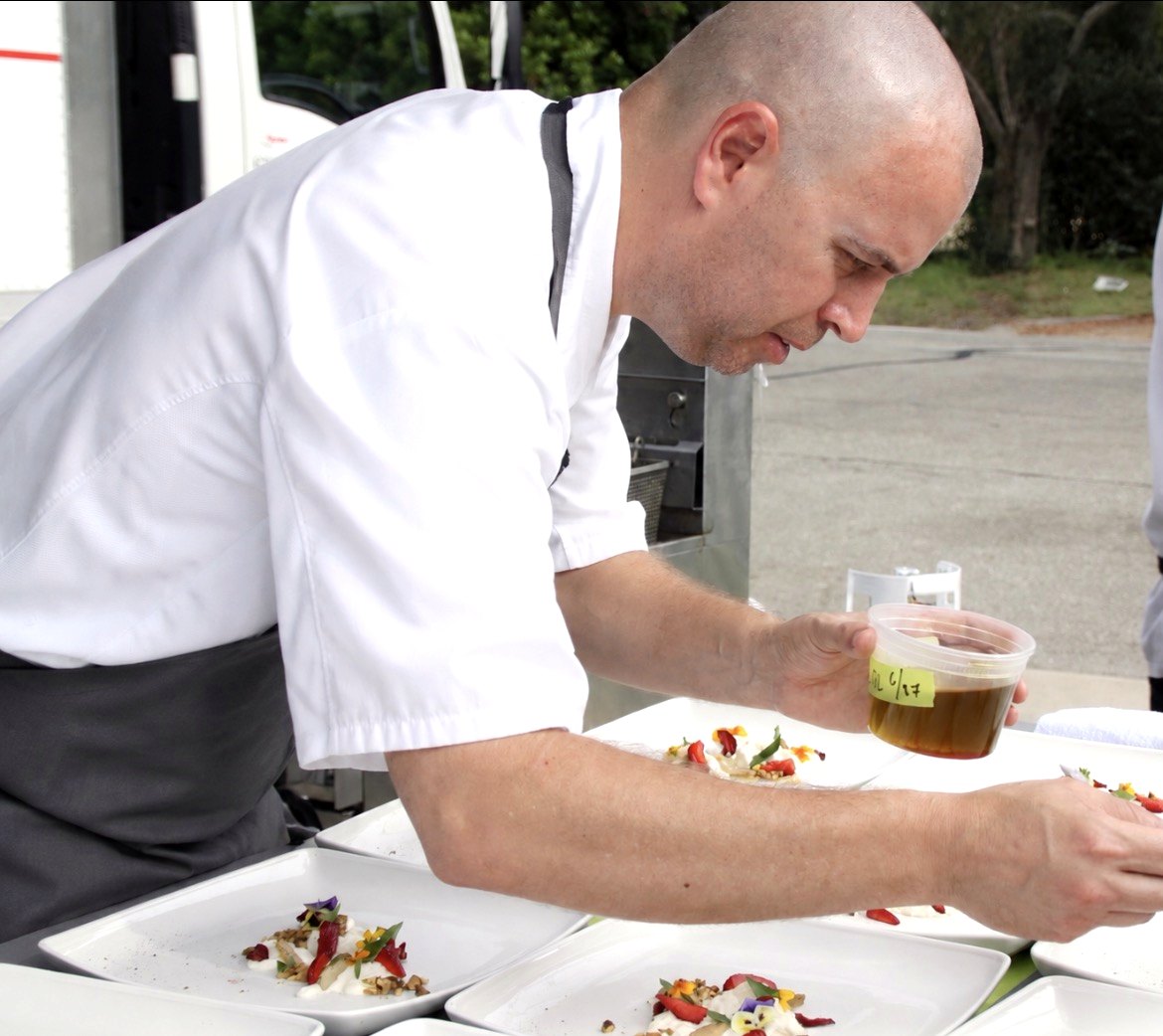 Taste, adjust, taste again. Consistency begins here. This Week: Summer and Fall on the Same Table That's exactly what I wanted this week's plan to feel like. The Turkey Stir-Fry is bright, quick and full of layers. Hard-browned turkey, ginger, garlic, vegetables, soy, a touch of sweetness, lime and fresh herbs. The Slow-Roasted Salmon still belongs completely to summer, sitting over corn, zucchini and cherry tomatoes finished with basil and lemon. Then the season begins to turn. The Apple-Cider Pork Tenderloin brings apples, Brussels sprouts and a cider-mustard pan sauce. It's the first real taste of fall in the Classic plan. The Braised Beef Ragu starts moving us toward slower cooking. The Hearty Minestrone is the first soup of the season, with soffritto, beans, ditalini, kale and tomato paste cooked until dark and jammy to build depth. And the Roasted Squash Tacos take one of fall's first ingredients and keep it bright with salsa verde, red onion, pepitas, cilantro and lime. Summer isn't gone. Fall is just joining the table. 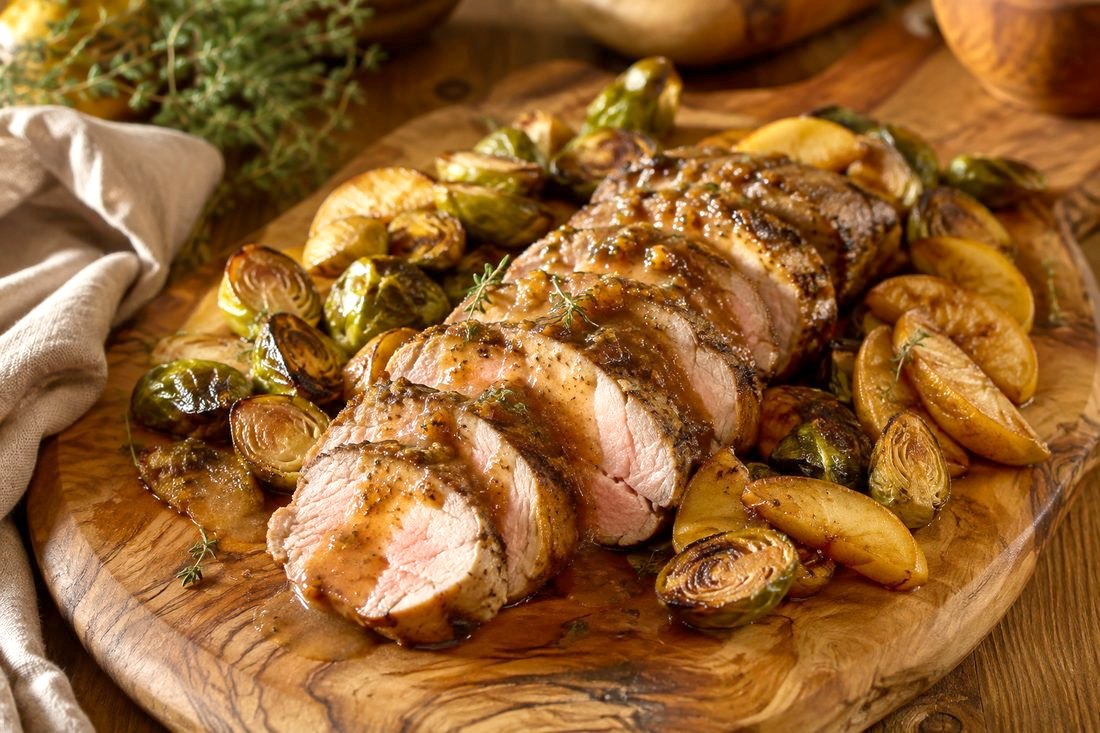 Apple-Cider Pork Tenderloin with Brussels sprouts, apples and cider-mustard pan sauce. 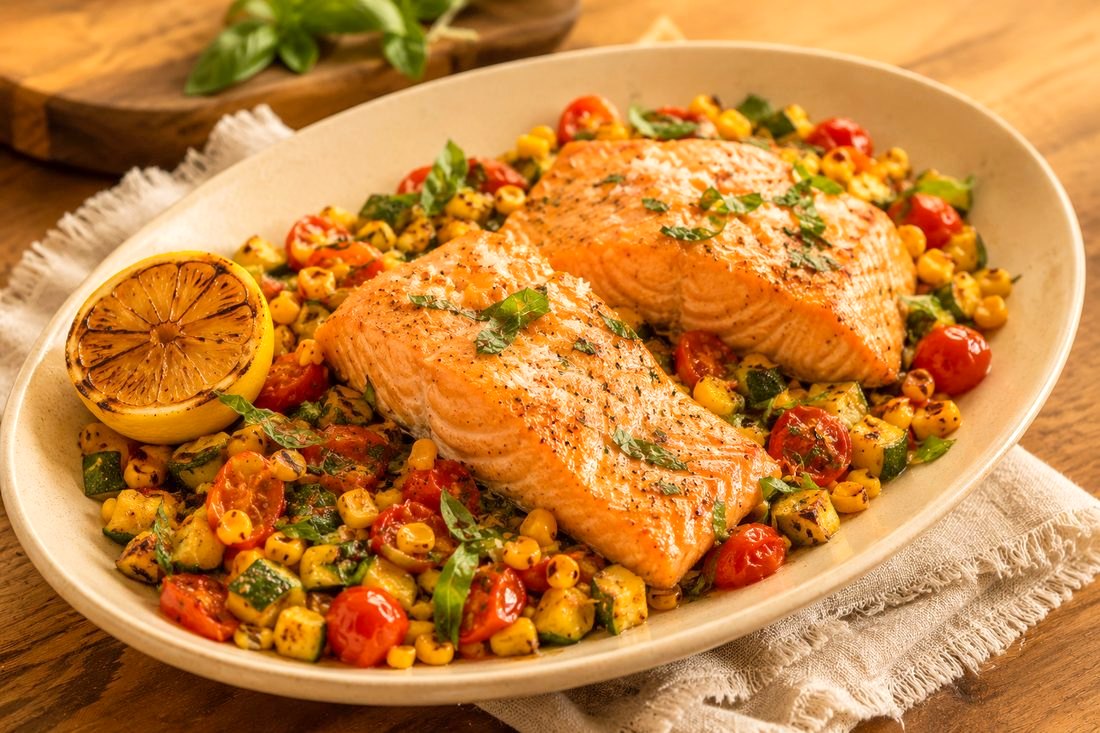 Slow-Roasted Salmon with summer succotash. Ten Dinners Aren't Ten Assignments There's something else I want you to remember when you open SEASON on Sunday. We give you ten dinners every week. That does not mean I expect you to cook ten dinners. The whole reason SEASON exists is to reduce decisions, not create more of them. I've already done the scrolling. I've thought about what's in season. I've thought about the techniques. I've built the recipes. We've organized the shopping list. We've given you ways to prep ahead, simplify, make swaps and figure out where each dinner fits into your week. The ten dishes are there because I want you to have good choices. Maybe you see Turkey Stir-Fry and think: That's Tuesday. Maybe the pork becomes Sunday dinner. Maybe you make two. Maybe you make four. Maybe you make one. That is enough. Ten dishes are possibilities, not homework. Because what I want you to feel when you open SEASON Sunday morning isn't pressure. I want curiosity. I want excitement. I want confidence. And somewhere in those ten dishes, I want you to find that little bit of relief: Okay. Dinner is handled. And Then You Make It Yours One of our members made the Chipotle Shrimp Tostadas this week and told me she loved them, but thought she might have used a little too much chipotle. And I loved hearing that. Because she tasted it. She noticed. And the next time she makes it, she'll know exactly how much chipotle she likes. That's cooking. You follow the recipe the first time. You pay attention. You taste. You learn. And then you make it again. Eventually, you aren't just making my recipe anymore. The dish becomes yours. That's what we're trying to build every week. Not just dinner. Confidence. And hopefully, every once in a while, a three-bowler. I'll meet you at 5:30. Michael From SEASON Want Us to Plan the Week for You? SEASON Weekly is where we share what we're seeing, cooking and learning. SEASON takes the next step: the weekly dinner plan, recipes, shopping and prep organized for you so you're not starting from scratch every night. SEASON Weekly is free every Monday. If you know somebody who loves food but could use a little less pressure around dinner, send this their way. |